

Exploring Symbolic Representations of Life and Death
Life and death are two of the most profound experiences that humans encounter. Throughout history, cultures around the world have used symbols to express their understanding of these concepts. These symbols help people make sense of the cycle of existence, offering comfort, meaning, and insight. In this article, we will explore various symbolic representations of life and death symbolism, examining their origins, meanings, and how they continue to influence us today.
The Role of Symbols in Understanding Life and Death Symbolism
Symbols serve as a bridge between the tangible and the intangible. They allow us to communicate complex ideas about life and death in a way that transcends language and culture. For example, the tree of life is a common symbol found in many traditions. It represents growth, connection, and the continuity of life. Its roots dig deep into the earth, while its branches reach toward the sky, symbolizing the link between the physical and spiritual worlds.
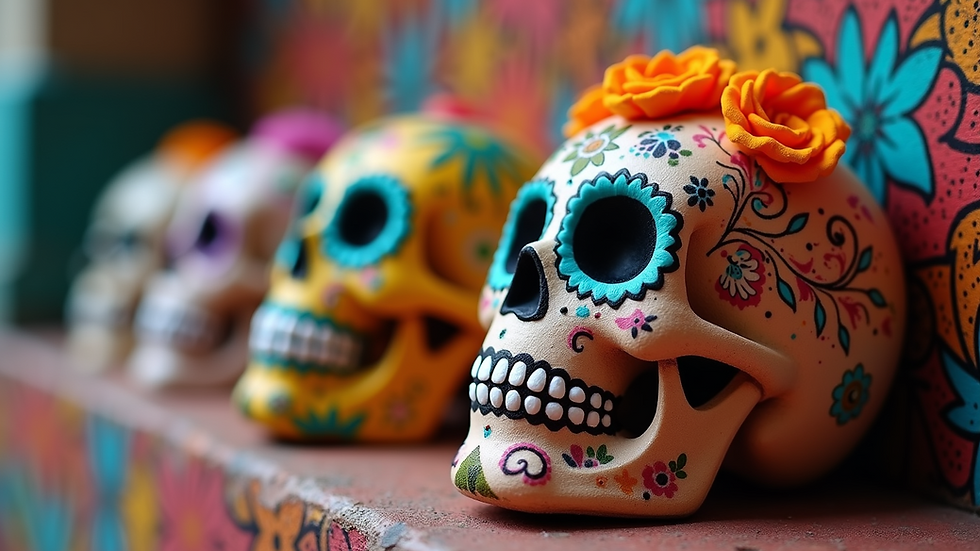
Another powerful symbol is the skull, often associated with death. While it may seem macabre, the skull can also represent the impermanence of life and the inevitability of mortality. In some cultures, it is a reminder to live fully and embrace the present moment.
Symbols like these help individuals and communities process the mysteries of existence. They provide a visual language that can express hope, fear, reverence, and acceptance.

Common Death Symbolism Across Cultures
Death symbolism varies widely but often shares common themes. Many cultures use dark colors, such as black or deep purple, to represent mourning and the unknown. Objects like hourglasses symbolize the passage of time and the finite nature of life.
In Mexican culture, the Day of the Dead celebrations use colorful skulls and skeletons to honor deceased loved ones. This joyful approach to death symbolizes remembrance and the belief that death is a natural part of life’s cycle.
In Western art, the grim reaper is a well-known figure representing death. This cloaked figure carrying a scythe embodies the inevitability of death and the idea of harvesting souls. Despite its fearsome appearance, the grim reaper also serves as a reminder of the natural order.
Understanding these symbols can deepen our appreciation of how different societies cope with death and celebrate life.
Angel of Death Symbolism and Its Meaning
Archangel Azrael is often known as the “Angel of Death,” but his role is far from frightening. Rather than being a figure of fear, Azrael embodies deep compassion, gentleness, and guidance for souls as they transition from the physical world to the spiritual realm. He is said to comfort those nearing the end of life, surrounding them with peace, and easing the fears that often accompany the unknown. For families and loved ones, Azrael’s presence can bring reassurance and calm, offering quiet strength during times of grief.
Azrael’s energy is soft, nurturing, and patient, reminding us that death is not an ending but a passage into greater light. He helps souls release attachments to the physical body and gently ushers them into the embrace of the Divine. For those who remain behind, Azrael can also aid in processing grief, bringing comfort to the heart and helping to heal the wounds of loss. By calling upon him, we can experience a sense of spiritual support, knowing that our loved ones are never alone and that death is part of the soul’s ongoing journey.
Artists and writers have long been fascinated by the angel of death, using it to explore themes of fate, destiny, and the unknown. Recognizing this symbolism can offer insight into how people find meaning in the face of death.

Life Symbols That Celebrate Existence
While death symbolism often focuses on endings, life symbols emphasize beginnings, growth, and vitality. The lotus flower is a powerful example. Rising from muddy waters to bloom beautifully, it symbolizes purity, rebirth, and spiritual awakening.
The sun is another universal life symbol. It represents energy, warmth, and the source of all life on Earth. Many ancient cultures worshipped the sun as a deity, acknowledging its vital role in sustaining life.
Other life symbols include the butterfly, which signifies transformation and new beginnings, and the circle, representing eternity and the cyclical nature of life.
Incorporating these symbols into daily life—through art, jewelry, or rituals—can inspire a deeper connection to the present and a celebration of life’s ongoing journey.

Practical Ways to Use Life and Death Symbolism in Personal Growth
Symbols of life and death can be powerful tools for personal reflection and growth. Here are some practical ways to incorporate these symbols into your life:
Create a personal altar or space with objects that represent life and death symbolism meaningful to you. This can be a place for meditation or reflection.
Use symbolic imagery in journaling. Drawing or writing about symbols like the tree of life or the butterfly can help process emotions related to change and mortality.
Wear symbolic jewelry. Items like a lotus pendant or a ring with a circle design can serve as daily reminders of life’s cycles.
Engage in rituals that honor life and death, such as lighting candles for loved ones or celebrating seasonal changes.
Explore art and literature that feature these symbols to deepen your understanding and find inspiration.
By consciously engaging with these symbols, you can cultivate a balanced perspective on life and death, fostering resilience and acceptance.
Embracing the Cycle of Life and Death Symbolism
Symbols of life and death are more than just images; they are gateways to understanding the human experience. They remind us that life is precious and fleeting, and that death is a natural part of the journey. By exploring these symbols, we gain tools to navigate our emotions, find meaning, and connect with something greater than ourselves.
Whether through the hopeful growth of the tree of life or the solemn presence of the angel of death, these symbols invite us to reflect on our place in the world. Embracing them can lead to a richer, more mindful existence.
Take time to explore the symbols that resonate with you. Let them guide you toward a deeper appreciation of life’s beauty and the mystery of what lies beyond.


Comments